

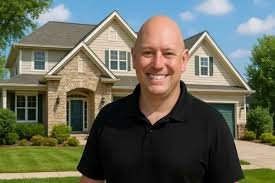
Virginia homeowners from Richmond to Virginia Beach are sitting on a remarkable opportunity right now. Home values across the Commonwealth have climbed steadily in recent years, and strategic renovations can amplify that equity even further. But only if you finance them the right way.
The wrong financing move can erase your renovation ROI before the contractor even picks up a hammer. Whether you’re upgrading a colonial in Henrico, modernizing a waterfront property at Lake Anna, converting a basement in Chesterfield, or refreshing a historic home in Fredericksburg, your financing strategy matters just as much as your contractor selection.
Here’s the challenge most Virginia homeowners face: they only hear about one or two options. Usually from lenders like Rocket Mortgage, Freedom Mortgage, or CapCenter who can only offer their own products. That’s like walking into a dealership that sells one brand of car and asking them to find you the best vehicle on the market. They can only show you what they have.
At Powerhouse Mortgages, Virginia’s Mortgage Broker of the Year, we work differently. We shop hundreds of lenders to match you with the best renovation financing for your specific situation, whether you’re in Richmond, Charlottesville, Virginia Beach, or anywhere across the Commonwealth. And we start with a Free NoTouch Credit PreQual that won’t touch your credit score.
Here are seven strategies that can help you finance your renovation smarter, faster, and more strategically in 2026.
1. Leverage an FHA 203(k) Loan to Buy and Renovate in One Closing
The Challenge It Solves
Buying a home that needs work typically means juggling two separate financing products: a purchase mortgage and a renovation loan. That means two sets of closing costs, two approval processes, and two loan payments to manage. For buyers looking at fixer-uppers in areas like Hanover, Spotsylvania, or Goochland, this complexity can kill deals before they start.
The Strategy Explained
The FHA 203(k) loan, backed by the U.S. Department of Housing and Urban Development, combines your home purchase and renovation costs into a single mortgage with one closing and one monthly payment. The standard 203(k) handles major structural work, while the Limited 203(k) covers cosmetic improvements up to a set dollar threshold.
Down payment requirements are lower than conventional loans, making this particularly attractive for first-time homebuyers across Virginia who want to enter a neighborhood at a lower price point and build instant equity through renovation. The key is working with a lender who actually knows how to process 203(k) loans correctly, because many lenders avoid them due to their complexity.
Implementation Steps
1. Get your Free NoTouch Credit PreQual from Powerhouse Mortgages to understand your FHA eligibility before you start shopping properties.
2. Identify properties in your target Virginia market that are priced below neighborhood value due to cosmetic or structural issues.
3. Work with a HUD-approved 203(k) consultant to scope the renovation and build your project cost estimate into the loan application.
4. Let Powerhouse shop hundreds of lenders to find the most competitive 203(k) terms, something a single-product lender like Movement Mortgage or Guild Mortgage simply cannot do.
Pro Tips
Not every lender is experienced with 203(k) processing timelines, and delays can cost you a deal. Ask your loan officer directly how many 203(k) loans they’ve closed in the past year. At Powerhouse Mortgages, we match you with lenders who specialize in renovation lending, not lenders who treat it as a side product.
2. Tap Your Built-Up Equity with a Home Equity Loan or HELOC
The Challenge It Solves
You’ve owned your home in Short Pump, Midlothian, or Williamsburg for several years. Values have risen, you’ve paid down your principal, and now you have real equity sitting in the walls. The problem is that most homeowners either don’t know how to access it efficiently or they go straight to their primary bank, which shows them one HELOC product at one rate with no comparison.
The Strategy Explained
A home equity loan gives you a lump sum at a fixed interest rate, ideal for a defined renovation project with a known budget. A Home Equity Line of Credit (HELOC) works more like a credit card against your equity, with a draw period where you borrow what you need as you need it. Both options typically carry significantly lower interest rates than credit cards or unsecured personal loans, because your home secures the debt.
For homeowners in Virginia who’ve seen their property values appreciate, this can be a powerful way to fund kitchen overhauls, bathroom additions, deck builds, or HVAC system upgrades without touching their primary mortgage rate. Exploring the full range of home equity loan options is critical to finding the best terms.
Implementation Steps
1. Estimate your current home equity by subtracting your outstanding mortgage balance from your home’s current market value.
2. Decide whether a lump sum (home equity loan) or flexible draw structure (HELOC) better matches your renovation timeline.
3. Have Powerhouse Mortgages compare home equity products across hundreds of lenders to find the lowest rate and most favorable terms for your Virginia property.
4. Lock your rate before beginning contractor negotiations so your budget is confirmed.
Pro Tips
Banks like C&F Mortgage Corporation or Atlantic Bay Mortgage will show you their equity products. Powerhouse shows you the market. That difference in rate and terms can translate to meaningful savings over the life of a home equity loan, particularly on larger renovation budgets.
3. Use a Cash-Out Refinance to Fund Major Renovations at Scale
The Challenge It Solves
Some renovation projects are large enough that a HELOC or personal loan simply won’t cover them. Full additions, whole-home renovations, or major structural overhauls in properties across Chesterfield, Henrico, or Albemarle County can run well into six figures. Funding that through high-interest products is financially reckless. You need a tool built for scale.
The Strategy Explained
A cash-out refinance replaces your existing mortgage with a new, larger loan. The difference between your old balance and the new loan amount is paid to you in cash at closing, which you then use to fund your renovation. If your current mortgage rate is already competitive, timing matters here. But if rates have shifted in your favor, or if your credit profile has improved significantly since your original loan, a cash-out refi can serve double duty: lower your rate and fund your renovation simultaneously.
This is one of the most powerful tools available to Virginia homeowners sitting on substantial equity, particularly those who purchased several years ago and have seen their property values climb in markets like Glen Allen, Charlottesville, or the Hampton Roads area.
Implementation Steps
1. Pull your current mortgage statement and identify your outstanding balance and interest rate.
2. Get a current market value estimate for your home to calculate available equity.
3. Have Powerhouse Mortgages run a side-by-side comparison of cash-out refi options across hundreds of lenders versus your current loan terms.
4. Confirm your renovation budget with contractor bids before finalizing your loan amount.
Pro Tips
Single-product lenders like Rocket Mortgage or PrimeLending will show you their cash-out refi product. That’s one data point. Powerhouse gives you the market. On a $150,000 cash-out refinance, even a fraction of a percentage point difference in rate compounds into real money over time.
4. Explore VA Renovation Loans If You’ve Served
The Challenge It Solves
Virginia is home to one of the largest military communities in the country, with significant veteran populations across Hampton Roads, Newport News, Yorktown, Stafford, and Prince William County. Many veterans know about the VA home loan benefit for purchases but have no idea that renovation-specific VA loan programs exist. And many lenders, including some that market heavily to veterans, don’t even offer these products.
The Strategy Explained
VA renovation loans allow eligible veterans, active-duty service members, and surviving spouses to finance both a home purchase and renovation, or a standalone renovation on an existing VA-financed home, with zero down payment and no private mortgage insurance requirement. These benefits are documented by the U.S. Department of Veterans Affairs and represent one of the most powerful financing tools available to those who’ve served.
The catch is that not every lender offers VA renovation products. Veterans United, for example, focuses heavily on standard VA purchase loans. Powerhouse Mortgages specifically shops lenders who carry VA renovation programs, so Virginia veterans aren’t leaving money on the table by defaulting to whatever their bank offers. Understanding how to get a VA loan in Virginia is the essential first step.
Implementation Steps
1. Confirm your VA loan eligibility by obtaining your Certificate of Eligibility through the VA or with assistance from Powerhouse Mortgages.
2. Identify whether your renovation project qualifies under VA renovation loan guidelines, which typically require improvements to be permanently affixed to the property.
3. Have Powerhouse search its network of hundreds of lenders specifically for VA renovation programs, not just standard VA purchase loans.
4. Compare VA renovation terms against FHA 203(k) or cash-out options to confirm you’re using your benefit to maximum effect.
Pro Tips
If you’re a veteran in Chesapeake, Suffolk, or the broader Hampton Roads area, don’t assume the first VA lender you find offers renovation products. Ask directly. Then let Powerhouse compare that offer against the broader market before you commit.
5. Stack a Personal Loan for Smaller, Time-Sensitive Projects
The Challenge It Solves
Not every renovation justifies a full mortgage product. Sometimes you need a new roof before winter hits Fredericksburg. Sometimes the HVAC system in your Lynchburg home fails in August and you need funding in days, not weeks. Mortgage-based products involve appraisals, underwriting, and timelines that don’t always match the urgency of smaller, time-sensitive repairs and upgrades.
The Strategy Explained
Personal loans offer fast funding with no collateral requirement and no appraisal process. For renovation projects in the range of a few thousand to around $50,000, a well-structured personal loan can be the most efficient path, particularly when speed matters more than rate optimization. The tradeoff is that personal loan rates are typically higher than mortgage-based products, which is why this strategy is best reserved for smaller scopes where the math still works in your favor.
The honest answer isn’t always “use a mortgage product.” Sometimes a personal loan is genuinely the right call. Powerhouse loan officers will tell you that directly, rather than pushing you toward a mortgage product that doesn’t serve your situation. Knowing which loan program is right for you can save you thousands in unnecessary costs.
Implementation Steps
1. Define your renovation scope and budget precisely before choosing a financing product.
2. Compare the total cost of a personal loan against a HELOC or home equity loan for your specific dollar amount and timeline.
3. Consult with Powerhouse Mortgages to get an honest assessment of which product saves you more money overall, not just which product they can originate.
4. If a personal loan is the right fit, move quickly since approvals can often happen within days.
Pro Tips
The question isn’t just “what rate can I get?” It’s “what does this financing cost me in total, including fees, timeline, and opportunity cost?” That’s the kind of analysis Powerhouse provides. Competitors like NFM Lending or Embrace Home Loans may steer you toward mortgage products regardless of fit. We steer you toward what actually works for your situation.
6. Negotiate Contractor Payment Schedules to Align with Financing
The Challenge It Solves
One of the most overlooked causes of renovation project stalls isn’t the financing itself. It’s the mismatch between when money is available and when contractors expect to be paid. Many Virginia homeowners secure excellent financing, then watch their project grind to a halt because loan disbursements don’t line up with contractor draw schedules. This is especially common with renovation loans that release funds in stages based on project milestones.
The Strategy Explained
Renovation loans like the FHA 203(k) and many VA renovation products release funds in draws tied to construction milestones, not on a lump-sum basis. If your contractor’s payment schedule doesn’t mirror those disbursement triggers, you’ll either have cash sitting idle or, worse, a contractor who stops work because they haven’t been paid on time.
The solution is to negotiate your contractor agreement with your loan disbursement schedule already in hand. This requires coordination between your loan officer and your contractor before work begins, and it’s a step that most lenders never discuss with their clients. Working with a local mortgage broker who understands Virginia’s renovation lending landscape gives you a significant advantage in this coordination.
Implementation Steps
1. Before signing any contractor agreement, get your loan disbursement schedule in writing from your lender.
2. Share that disbursement timeline with your contractor and negotiate payment milestones that align with loan draw releases.
3. Build a small cash buffer into your project budget for minor timing gaps between draw requests and contractor payment due dates.
4. Have your Powerhouse loan officer review the contractor payment structure before you sign, a service we provide at no charge.
Pro Tips
Experienced contractors who regularly work with renovation loan clients will understand draw schedules and negotiate accordingly. If a contractor refuses to work within a draw-based payment structure, that’s a red flag worth taking seriously before you commit to them for a major project in your Ashland, Louisa, or Caroline County home.
7. Get Pre-Qualified First Without a Single Credit Score Impact
The Challenge It Solves
Most homeowners hesitate to explore their renovation financing options because they’re afraid of what the process will do to their credit score. Every hard inquiry from a lender can nudge your score downward, and if you’re shopping multiple lenders, those hits add up. The result is that many Virginia homeowners either don’t explore their options fully or they commit to the first lender they talk to out of fear of credit damage. Neither outcome serves them well.
The Strategy Explained
Powerhouse Mortgages offers a Free NoTouch Credit PreQual that lets you explore every renovation financing option available to you without a single hard inquiry hitting your credit report. You get a clear picture of what you qualify for, what your options look like across hundreds of lenders, and what strategy makes the most sense for your renovation scope, all before you commit to anything. Understanding credit prequalification for your mortgage is the smartest way to begin.
This is a direct, meaningful differentiator from competitors like Rocket Mortgage, CrossCountry Mortgage, or Fairway Independent Mortgage, where the standard process typically involves a credit pull early in the conversation. At Powerhouse, we believe you deserve to understand your options before you make any commitments, including the commitment of a credit inquiry.
Implementation Steps
1. Visit Powerhouse Mortgages and initiate your Free NoTouch Credit PreQual online or by phone, no credit pull required.
2. Share your renovation goals, property location in Virginia, and general financial picture with your Powerhouse loan officer.
3. Review the financing options identified across hundreds of lenders and ask your loan officer to walk you through the pros and cons of each for your specific situation.
4. Choose your strategy with confidence, knowing you’ve seen the full market, not just one lender’s product shelf.
Pro Tips
When you’re ready to move forward and authorize a full credit pull for loan application, Powerhouse handles that as a single inquiry, even when comparing multiple lenders. That’s the broker advantage working in your favor from the very first step.
Your Next Move: A Renovation Financing Roadmap
Seven strategies, each built for a different renovation scenario, a different financial position, and a different timeline. The question now is where to start.
Here’s the recommended sequence for Virginia homeowners in 2026:
1. Start with your Free NoTouch Credit PreQual from Powerhouse Mortgages. This costs you nothing, takes no credit hit, and gives you the full picture of what you qualify for before you make any decisions.
2. Understand your equity position and loan options across hundreds of lenders. Whether you’re in Richmond, Roanoke, Chesapeake, or Charlottesville, your local market context matters, and Powerhouse brings Virginia-specific expertise alongside national lender access.
3. Match your strategy to your renovation scope and timeline. Large-scale whole-home renovation? Cash-out refi or 203(k). Quick roof repair? Personal loan may be smarter. Military veteran in Hampton Roads? VA renovation loan deserves a serious look first.
The fundamental difference between working with Powerhouse Mortgages and going directly to a single-product lender like Rocket Mortgage, Freedom Mortgage, Alcova Mortgage, or Prosperity Mortgage is simple: they can only show you what they sell. We shop the entire market on your behalf, comparing hundreds of lenders to find the product, rate, and terms that actually fit your situation.
That’s not a small distinction. On a renovation loan of any meaningful size, the difference between the right financing product and a convenient one can translate to thousands of dollars over the life of your loan.
Virginia’s Mortgage Broker of the Year is ready to help you renovate smarter. Learn more about our services and start your Free NoTouch Credit PreQual today at Powerhouse Mortgages, and take the first step toward financing your renovation the right way.

