

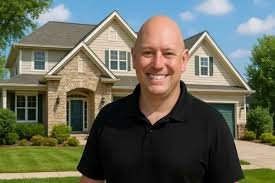
Picture this: You’re sitting in a coffee shop in Short Pump, scrolling through dream homes on your phone, when reality hits. Between credit scores, income requirements, and down payment rules, getting approved for a mortgage feels like decoding a foreign language. You’ve heard the term “Freddie Mac guidelines” thrown around, but what does it actually mean for your home purchase in Virginia?
Here’s the thing: Freddie Mac guidelines aren’t just industry jargon. They’re the actual rulebook that determines whether you qualify for a conventional mortgage, what interest rate you’ll pay, and how much you can borrow. Understanding these guidelines is the difference between submitting a strong application that moves quickly and facing unexpected delays or denials.
The good news? These guidelines don’t have to be intimidating when you work with a local Virginia mortgage broker who knows exactly how to navigate them. At Powerhouse Mortgages, we’ve built our reputation as Mortgage Broker of the Year by simplifying complex requirements and matching Virginia homebuyers with the right lenders from our network of hundreds of options. Even better, we offer Free NoTouch Credit Solutions so you can explore your options without a single hit to your credit score.
Understanding Freddie Mac’s Role in Your Virginia Mortgage
Let’s start with the foundation. Freddie Mac—officially the Federal Home Loan Mortgage Corporation—operates behind the scenes of nearly every conventional mortgage in Virginia. When a lender approves your loan, they don’t usually keep it on their books forever. Instead, they sell it to entities like Freddie Mac, who package these mortgages into securities that investors purchase.
This system creates something crucial: liquidity. By purchasing loans from lenders, Freddie Mac ensures that mortgage companies have cash to fund more loans for homebuyers like you in Richmond, Chesapeake, and everywhere in between. Without this secondary market, lenders would run out of money to lend, and mortgages would become much harder to obtain.
But here’s where it directly affects you: Because Freddie Mac purchases these loans, they set the standards for what they’ll accept. These standards become the Freddie Mac guidelines that lenders must follow. Think of it as quality control for the mortgage industry. If a loan doesn’t meet Freddie Mac’s requirements, they won’t buy it, which means most lenders won’t originate it.
For Virginia borrowers, this matters because Freddie Mac guidelines determine the baseline requirements for conventional loans. They establish minimum credit scores, maximum debt-to-income ratios, down payment requirements, and property eligibility standards. When you understand these guidelines, you know exactly what you’re working toward.
Now, you might wonder about Fannie Mae, Freddie Mac’s sister organization. Both operate similarly in the secondary market, and their guidelines are largely comparable. Understanding Fannie Mae loan limits can also help you understand the broader conventional loan landscape. The main difference? It’s mostly about which lenders prefer to work with which entity. Some lenders have stronger relationships with Fannie Mae, others with Freddie Mac. As a borrower, you typically won’t choose between them—your lender makes that decision based on their business relationships.
What matters more for your Virginia home purchase is finding a mortgage partner who understands both sets of guidelines and can position your application for the best possible outcome. That’s where working with a broker gives you a significant advantage over going directly to a single lender.
Credit Score Requirements and Income Standards Decoded
Let’s talk numbers, because this is where many Virginia homebuyers get confused. The credit score minimum for most Freddie Mac conventional loans starts at 620. That’s the baseline. But here’s what the big lenders won’t always tell you: that 620 floor doesn’t mean you’ll get approved or receive competitive rates at that level.
Credit scores operate in tiers that dramatically affect your interest rate. A borrower in Henrico with a 640 credit score will pay significantly more in interest than someone in the same neighborhood with a 740 score, even if both meet Freddie Mac’s minimum requirements. The difference can amount to tens of thousands of dollars over the life of your loan.
Here’s where it gets interesting for Virginia borrowers. While Freddie Mac sets 620 as the minimum, many large national lenders add what we call “lender overlays”—their own stricter requirements on top of Freddie Mac’s standards. Rocket Mortgage, Freedom Mortgage, and similar direct lenders often require credit scores of 640, 660, or even higher, depending on other factors in your application.
This is precisely why Powerhouse Mortgages’ access to hundreds of lenders makes such a difference. We can find lenders who stick closer to Freddie Mac’s actual minimums without unnecessary overlays that might disqualify you from homeownership in markets like Chesterfield or Virginia Beach.
Now let’s address the credit inquiry concern that stops many borrowers before they even start. You’ve probably heard that applying for credit hurts your score. That’s partially true, but there’s a crucial exception for mortgage shopping. Credit scoring models recognize that consumers need to shop for the best mortgage rates, so they typically treat multiple mortgage inquiries within a 45-day window as a single inquiry.
Even knowing this, many Virginia homebuyers still worry about multiple credit pulls. That’s exactly why we developed our NoTouch Credit PreQual process. We can evaluate your eligibility and provide accurate prequalification without touching your credit score at all. No hard inquiry. No impact. Just clear answers about your options.
Income documentation follows specific Freddie Mac standards that vary by employment type. If you’re a W-2 employee working in Richmond or Hampton Roads, you’ll typically need two years of W-2s, recent pay stubs covering 30 days, and verification of employment. The process is straightforward for traditional employees.
Self-employed borrowers in Virginia face more documentation requirements. Freddie Mac typically requires two years of personal and business tax returns, a year-to-date profit and loss statement, and sometimes a balance sheet. If you’re a small business owner in Fredericksburg or Roanoke, this doesn’t mean you can’t qualify—it just means preparation matters.
Debt-to-income ratios represent another critical piece. Freddie Mac generally caps your total monthly debt payments at 45% of your gross monthly income, though some programs allow higher ratios with strong compensating factors like significant cash reserves or excellent credit scores. Your debt includes your future mortgage payment, property taxes, insurance, HOA fees, and all other monthly obligations like car loans, student loans, and credit card minimum payments.
Property Types and Down Payment Requirements Across Virginia
Not all properties qualify equally under Freddie Mac guidelines, and understanding these distinctions matters whether you’re buying in urban Richmond or rural Caroline County. The property’s intended use—primary residence, second home, or investment property—fundamentally changes your requirements and available options.
Primary residences receive the most favorable treatment. This is the home where you’ll actually live, and Freddie Mac offers down payment options as low as 3% for qualified borrowers through programs like HomeOne and Home Possible. If you’re a first-time homebuyer looking in Glen Allen or Midlothian, these programs can make homeownership accessible much sooner than you might expect.
Second homes require larger down payments, typically starting at 10%. Freddie Mac defines a second home as a property you’ll occupy for part of the year, located a reasonable distance from your primary residence. If you’re considering a getaway property near Lake Anna or in Williamsburg, you’ll need to plan for this higher down payment requirement.
Investment properties demand the most substantial down payments, usually 15-25% depending on your overall financial profile and the number of financed properties you already own. For Virginia investors looking at rental properties in college towns like Charlottesville or growing markets in Prince William County, this higher down payment represents a significant planning consideration.
Loan limits add another layer of complexity that varies by Virginia county. For 2026, most Virginia counties follow the standard conforming loan limit, which allows you to borrow up to a certain amount while still qualifying for conventional financing. However, the actual dollar amount changes annually based on home price trends.
Some Virginia markets have seen such significant appreciation that they approach or reach these limits more quickly than others. A home in Virginia Beach or parts of Henrico might push against these limits, while the same loan amount would be well within conforming limits in Louisa or Goochland. When you exceed conforming limits, you enter jumbo loan territory, which follows different guidelines entirely.
Property condition matters under Freddie Mac guidelines too. The property must meet minimum property standards, meaning it needs to be safe, sound, and structurally secure. If you’re considering a fixer-upper in Ashland or Lynchburg, significant repairs might need to be addressed before closing, or you might need to explore renovation loan programs instead of standard conventional financing.
Condominiums face additional scrutiny. Freddie Mac requires that the condo project itself meets certain standards regarding owner occupancy ratios, financial reserves, and project completion. If you’re eyeing a condo in downtown Richmond or near the waterfront in Newport News, your lender will need to verify that the entire complex meets Freddie Mac’s project approval requirements, not just your individual unit.
Why Your Lender Choice Matters More Than You Think
Here’s a question Virginia homebuyers rarely ask but absolutely should: Why would two different lenders give you different answers about the same Freddie Mac loan program? The answer reveals a critical truth about the mortgage industry that could save you thousands of dollars and prevent unnecessary denials.
Let’s compare the direct lender approach versus working with a mortgage broker. When you apply with Rocket Mortgage, Movement Mortgage, or Veterans United, you’re working with a single company that has one set of internal policies. These companies add their own requirements—those lender overlays we mentioned earlier—on top of Freddie Mac’s baseline guidelines.
Q: What exactly are lender overlays, and why do they exist?
Lender overlays are additional restrictions that individual lenders impose beyond Freddie Mac’s minimum requirements. For example, while Freddie Mac might approve a loan with a 620 credit score and 45% debt-to-income ratio, a specific lender might require 640 minimum credit score and limit debt ratios to 43%. They implement these overlays to reduce their risk, even though Freddie Mac would accept the loan.
Q: How do these overlays affect Virginia borrowers specifically?
These overlays can disqualify perfectly qualified borrowers. Imagine you’re buying in Spotsylvania with a 635 credit score and 44% debt ratio. You meet Freddie Mac guidelines, but if you apply to a lender with strict overlays requiring 660+ credit scores, you’ll be denied—not because you don’t qualify for a Freddie Mac loan, but because that specific lender won’t approve you.
Q: Why doesn’t everyone just work with brokers instead of direct lenders?
Marketing plays a huge role. Companies like Rocket Mortgage and Freedom Mortgage spend millions on advertising, creating brand recognition. Many borrowers simply don’t realize that brokers exist or understand the advantage they provide. Others assume direct lenders offer better rates, which isn’t necessarily true when you factor in the flexibility and options brokers provide.
Q: What’s the real difference when working with Powerhouse Mortgages versus these national competitors?
When you work with Powerhouse Mortgages, you’re not limited to one lender’s overlays. We have access to hundreds of lenders, each with different overlay requirements. If one lender won’t approve your scenario, we can find another that will—often at competitive or better rates. Plus, our local Virginia expertise means we understand the specific markets in Stafford, Hanover, and throughout the state in ways national call centers simply cannot.
Q: Does working with a broker cost more than going direct?
This is a common misconception. Broker compensation is typically built into the loan pricing, just like direct lender compensation. You’re not paying extra fees for broker services in most cases. What you are getting is access to more options, personalized service, and local expertise that can actually save you money through better rate shopping and avoiding unnecessary denials.
The distinction becomes especially important when you’re dealing with anything outside the absolute vanilla scenario. Self-employed in Suffolk? Recent credit event in Albemarle? Buying an investment property in Yorktown? These situations benefit enormously from a broker’s ability to match your specific scenario with the right lender from a large network rather than hoping one direct lender’s policies align with your needs.
Navigating Common Freddie Mac Approval Obstacles
Let’s address the real challenges Virginia borrowers face when pursuing Freddie Mac financing, because understanding potential hurdles helps you avoid them or prepare solutions in advance. These aren’t dealbreakers—they’re simply situations that require strategic approaches.
Employment Gaps and Job Changes: Freddie Mac guidelines prefer to see two years of stable employment history, but life doesn’t always cooperate with mortgage timelines. If you recently started a new job in Fredericksburg or took a career break, you’re not automatically disqualified. The key is demonstrating that your new position represents career progression in the same field, or providing explanations for gaps that make sense—returning to work after raising children, completing education, or recovering from illness.
The solution often involves documentation and context. A detailed letter of explanation, combined with strong compensating factors like excellent credit or significant down payment, can overcome employment concerns. If you switched from W-2 employment to self-employment, expect to wait until you have at least one year of tax returns showing that income, though some lenders may have programs for shorter self-employment histories.
Recent Credit Events: Bankruptcies, foreclosures, and short sales create waiting periods before you qualify for Freddie Mac financing. A Chapter 7 bankruptcy requires a minimum four-year wait, though this can reduce to two years with extenuating circumstances like job loss or medical emergency. Foreclosures typically require a seven-year waiting period, while short sales need four years to have passed.
These timelines aren’t negotiable under Freddie Mac guidelines, but here’s what you can do: use the waiting period productively. Rebuild your credit score, save for a larger down payment, and establish a perfect payment history on all current obligations. When you emerge from the waiting period, you’ll be in the strongest possible position. Powerhouse Mortgages can help you create a roadmap during this rebuilding phase so you know exactly what to accomplish before you’re eligible again.
Debt-to-Income Ratio Challenges: Many Virginia borrowers in markets like Chesterfield and Virginia Beach find themselves bumping against that 45% debt ratio ceiling, especially with student loans or car payments. The math is straightforward but sometimes painful: if you earn $6,000 monthly, your total debt payments can’t exceed $2,700, including your future mortgage payment.
Solutions exist beyond simply earning more money. Paying down revolving debt before applying can immediately improve your ratio. If you have student loans, understanding how they’re calculated in your debt ratio matters—income-driven repayment plans may allow lower payment calculations. Sometimes restructuring debt—consolidating high-interest credit cards or refinancing a car loan—can reduce monthly obligations enough to qualify.
Another often-overlooked solution: considering a less expensive home or increasing your down payment to reduce the mortgage payment. A borrower in Henrico who can’t qualify for a $350,000 purchase might easily qualify for $320,000, or might qualify for the higher amount by putting 10% down instead of 5%.
Property Appraisal Issues: This challenge catches many buyers off guard. You’ve negotiated a price, submitted your application, and then the appraisal comes in below the purchase price. Under Freddie Mac guidelines, your loan amount is based on the lower of the purchase price or appraised value. If you’re buying in a competitive market like Short Pump where properties sometimes sell above list price, this becomes a real concern.
The solution requires negotiation and sometimes creativity. You can renegotiate the purchase price with the seller, bring additional cash to closing to cover the gap, or request a reconsideration of value if you believe the appraisal missed important comparable sales. Local expertise matters enormously here—a Virginia-focused lender understands market nuances in Roanoke versus Richmond and can help position your case effectively.
Insufficient Reserves: Some Freddie Mac loan programs require you to have cash reserves remaining after closing—typically two to six months of mortgage payments sitting in savings or retirement accounts. If you’re stretching to make the down payment and closing costs, meeting reserve requirements can feel impossible.
Solutions include gift funds from family members (which Freddie Mac allows with proper documentation), counting vested retirement account balances, or exploring programs with lower reserve requirements. Sometimes the solution is as simple as timing—waiting a few more months to build additional savings before purchasing.
Your Step-by-Step Path to Freddie Mac Loan Approval
Understanding the process from start to finish removes anxiety and helps you move confidently toward homeownership in Virginia. Here’s exactly how a Freddie Mac conventional loan application progresses when you work with Powerhouse Mortgages.
Step One: No-Impact Prequalification
Your journey begins with understanding what you can afford without risking your credit score. Our NoTouch Credit PreQual process uses information you provide about your income, assets, and debts to give you a realistic picture of your buying power. This typically takes one conversation and provides clarity about your price range in markets from Hampton Roads to Charlottesville. No credit pull. No obligation. Just honest answers about your options.
Step Two: Full Preapproval
Once you’re ready to seriously house hunt, we move to full preapproval. This involves a credit check (which you’re now prepared for), documentation of income and assets, and a comprehensive review of your financial profile. With access to hundreds of lenders, we match your specific situation with the lenders most likely to approve your scenario at competitive rates. This process typically takes 24-48 hours once we have your documentation.
Step Three: Home Shopping with Confidence
Armed with a solid preapproval letter, you’re a serious buyer in the eyes of Virginia sellers and their agents. Whether you’re searching in Midlothian, Lynchburg, or Stafford, your offer carries weight because sellers know you’ve already cleared the financial hurdles. In competitive markets, this advantage can make the difference between your offer being accepted or overlooked.
Step Four: Purchase Contract and Loan Application
Once your offer is accepted, we formally submit your complete loan application to the chosen lender. This triggers the underwriting process, property appraisal, and title work. We coordinate all these moving pieces while keeping you informed of progress and any additional documentation needs. Expect this phase to take 30-45 days from contract to closing in most Virginia markets.
Step Five: Underwriting and Conditional Approval
The underwriter reviews every aspect of your application against Freddie Mac guidelines. They’ll verify your employment, review your credit report, analyze the appraisal, and ensure everything meets requirements. Most loans receive conditional approval, meaning you need to provide a few additional items—an updated pay stub, explanation of a deposit, or verification of a paid-off debt. This back-and-forth is normal and doesn’t indicate problems.
Step Six: Clear to Close and Final Walkthrough
Once all conditions are satisfied, you receive “clear to close” status. This means the lender has approved everything and is ready to fund your loan. You’ll schedule your closing appointment, receive your final closing disclosure showing all costs, and conduct a final walkthrough of the property. Then comes the exciting part: signing documents and receiving keys to your new Virginia home.
Throughout this entire process, Powerhouse Mortgages serves as your advocate and guide. Our local Virginia expertise means we understand the unique aspects of buying in different markets across the state. Our Mortgage Broker of the Year recognition reflects our commitment to making this process as smooth as possible while securing the best possible terms for your situation.
Making Freddie Mac Guidelines Work for Your Virginia Home Purchase
The complexity of Freddie Mac guidelines shouldn’t intimidate you or prevent you from pursuing homeownership in Virginia. These requirements exist to ensure responsible lending, and understanding them puts you in control of your home buying journey rather than feeling at the mercy of mysterious approval processes.
What separates successful homebuyers from those who struggle isn’t luck—it’s having the right partner who understands both the guidelines and how to navigate them strategically. When you work with Powerhouse Mortgages, you’re not just getting a mortgage. You’re getting a Virginia-focused team that knows the difference between buying in urban Richmond versus rural Goochland, understands local market dynamics from Chesapeake to Charlottesville, and has the relationships with hundreds of lenders to find the right fit for your specific situation.
Our Free NoTouch Credit Solutions mean you can explore your options without fear of impacting your credit score. Our access to hundreds of lenders means we’re not constrained by the restrictive overlays that cause direct lenders to decline qualified borrowers. Our award-winning service as Mortgage Broker of the Year reflects our commitment to Virginia homebuyers in Short Pump, Virginia Beach, Fredericksburg, and everywhere in between.
The Virginia housing market moves quickly, and opportunities don’t wait for buyers who aren’t prepared. Whether you’re a first-time homebuyer in Henrico, a growing family upgrading in Spotsylvania, or an investor evaluating properties in Yorktown, understanding Freddie Mac guidelines positions you to act confidently when you find the right property.
Ready to discover exactly what you qualify for under current Freddie Mac guidelines without risking your credit score? Learn more about our services and start your journey to Virginia homeownership with a team that puts your success first. Get your Free NoTouch Credit PreQual today and see why Virginia homebuyers choose Powerhouse Mortgages for smarter, faster, more strategic mortgage solutions.