

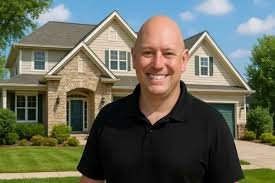
For Virginia homebuyers watching their savings while home prices climb, the dream of homeownership can feel out of reach. But here’s what many don’t realize: zero down payment mortgages aren’t just possible—they’re more accessible than ever if you know where to look and how to qualify.
Whether you’re eyeing a starter home in Chesterfield, a townhouse in Hampton Roads, or property near Lake Anna, the right strategy can get you into your home without draining your bank account.
The challenge isn’t just finding zero-down programs. It’s navigating the maze of eligibility requirements, protecting your credit during the shopping process, and knowing which lenders actually approve these loans versus which ones just advertise them. Many Virginia homebuyers start with big national names like Rocket Mortgage or Veterans United, only to discover their options are far more limited than they expected.
This guide breaks down the most effective approaches to securing a zero down payment mortgage, with specific focus on Virginia’s unique opportunities. We’ll also show you why working with a local mortgage broker who shops hundreds of lenders—rather than a single national bank—can make the difference between approval and rejection.
1. Leverage VA Loan Benefits If You’ve Served
The Challenge It Solves
Veterans and active-duty service members face a frustrating paradox: they’ve served their country, yet still struggle to save enough for a traditional down payment while managing military life transitions. Many don’t realize they’re sitting on one of the most powerful mortgage benefits available—one that requires absolutely no down payment and eliminates the private mortgage insurance that costs other borrowers hundreds of dollars monthly.
Virginia’s significant military presence in Hampton Roads, Fredericksburg, Spotsylvania, Stafford, and Prince William County means thousands of eligible borrowers who could be using VA benefits right now.
The Strategy Explained
VA loans, backed by the Department of Veterans Affairs, offer true 100% financing with no down payment requirement for eligible veterans, active-duty service members, and surviving spouses. Unlike conventional loans that require PMI when you put down less than 20%, VA loans eliminate this costly insurance entirely—saving you significant money every month.
Here’s where strategy matters: not all VA lenders are created equal. Veterans United specializes exclusively in VA loans, which sounds great until you realize they can’t help if you need a different product or if their single lending source doesn’t offer the best terms. When you work with a broker who shops hundreds of lenders, you get VA loan options compared across multiple institutions, ensuring you’re getting the best rate and terms available. For a complete walkthrough of the process, see our guide on how to get a VA loan in Virginia.
The VA loan also allows you to finance the VA funding fee into your loan amount, meaning even that cost doesn’t require cash at closing. For a home in Henrico or Hanover County, this could mean the difference between waiting another year to save versus moving in next month.
Implementation Steps
1. Obtain your Certificate of Eligibility (COE) through the VA’s website or have your lender request it—this proves your service qualifies you for the benefit.
2. Connect with a mortgage broker who works with multiple VA-approved lenders rather than limiting yourself to a single source like Veterans United or Freedom Mortgage.
3. Get a NoTouch Credit PreQual first to see your buying power without the hard inquiry that could lower your score before you’re ready to apply.
4. Compare VA loan offers across multiple lenders to ensure you’re getting competitive rates and minimal lender fees.
Pro Tips
Your VA loan benefit can be used multiple times throughout your life, not just once. If you’ve used it before and sold that property, your entitlement can be restored. Also, disabled veterans may qualify for funding fee exemptions, saving thousands more. Don’t assume you don’t qualify just because you served decades ago—eligibility extends to veterans from all service eras.
2. Target USDA-Eligible Areas Across Virginia
The Challenge It Solves
Many Virginia homebuyers assume zero down payment mortgages are only for veterans, leaving non-military buyers feeling stuck with the traditional 3-20% down payment requirement. This misconception keeps qualified buyers renting longer than necessary, especially those looking at homes outside major metro areas where property is more affordable but savings are harder to accumulate.
The reality? USDA Rural Development loans offer 100% financing to eligible buyers in many Virginia counties, and “rural” doesn’t mean what you think it does.
The Strategy Explained
USDA loans provide zero down payment financing for properties in designated rural areas, which includes far more of Virginia than most people realize. Counties like Goochland, Louisa, Caroline County, and areas near Lake Anna qualify, along with portions of counties surrounding Richmond, Fredericksburg, and even some areas near Charlottesville and Albemarle.
The key is understanding that “rural” in USDA terms often includes suburban communities and small towns—not just farmland. Many beautiful neighborhoods in Ashland, parts of Hanover County, and communities throughout Central Virginia qualify for this program. For detailed eligibility requirements and income limits, visit our comprehensive USDA loan Virginia resource page.
Income limits apply based on area median income, but these limits are often higher than buyers expect. A household earning a moderate income can still qualify, especially in areas where the median income threshold accommodates families comfortably above the poverty line. The property itself must meet USDA standards and be your primary residence.
Implementation Steps
1. Check the USDA eligibility map online to confirm your target property location qualifies—this takes just minutes and prevents wasted time looking in ineligible areas.
2. Verify your household income falls within the area’s limits using the USDA’s income calculator for your specific Virginia county.
3. Work with a broker who regularly closes USDA loans and knows which of their 100+ lenders offers the fastest USDA processing times and most competitive rates.
4. Get pre-qualified before house hunting so you know your exact budget and can move quickly when you find the right property.
Pro Tips
USDA loans require a small upfront guarantee fee and annual fee, but both can be financed into your loan amount, keeping your out-of-pocket costs minimal. Properties near the edges of eligible zones sometimes fall just outside boundaries, so verify the exact address rather than assuming the general area qualifies. Working with a lender experienced in USDA loans matters—processing times vary dramatically between lenders who handle these regularly versus those who rarely process them.
3. Protect Your Credit Score During Shopping
The Challenge It Solves
Zero down payment applicants face a cruel catch-22: they need to shop multiple lenders to find the best terms, but every hard credit inquiry during that shopping process can lower their credit score. With zero-down programs already requiring strong credit profiles, even a few points drop can mean the difference between approval and denial, or between a great rate and a mediocre one.
Traditional lenders like Rocket Mortgage, Movement Mortgage, and local banks require hard credit pulls just to give you a real quote, meaning your score takes hits before you’ve even decided where to apply.
The Strategy Explained
NoTouch Credit PreQuals solve this problem entirely by providing accurate pre-qualification without any hard inquiry on your credit report. You get real numbers—actual loan amounts, estimated rates, and program eligibility—without risking the score you’ve worked hard to build.
This matters enormously for zero-down applicants because you’re already operating with less financial cushion than buyers putting 10-20% down. Lenders scrutinize your credit more carefully when you’re financing 100% of the purchase price. A credit score that drops from 720 to 705 due to multiple inquiries could cost you a better rate tier or even disqualify you from certain programs.
The NoTouch approach means you can explore options with a broker shopping hundreds of lenders, get clear answers about what you qualify for, and only submit to a hard inquiry once you’ve selected your best option and are ready to move forward with a specific property. Learn more strategies for protecting your credit while shopping in our guide to securing the best mortgage rates in Virginia.
Implementation Steps
1. Request a NoTouch Credit PreQual before contacting any lenders or allowing anyone to pull your credit—establish your baseline first.
2. Use that pre-qualification to shop properties confidently, knowing your real buying power without having damaged your approval chances.
3. Avoid applying with multiple lenders “just to compare”—the hard inquiries add up quickly and the rate shopping window isn’t as protective as many believe.
4. Only authorize a hard credit pull once you’ve selected your lender, found your property, and are ready to submit a complete application.
Pro Tips
Many buyers believe that multiple mortgage inquiries within a short window count as a single inquiry. While credit scoring models do offer some protection for rate shopping, this window is typically 14-45 days depending on the scoring model, and not all lenders use the same model. Why risk it when you can get accurate information without any inquiry? Also, remember that credit card applications, auto loans, and other credit checks during your mortgage process can all impact your score—avoid any new credit during your homebuying journey.
4. Work With a Broker Who Shops Hundreds of Lenders
The Challenge It Solves
When you apply with Rocket Mortgage, you get Rocket Mortgage’s products at Rocket Mortgage’s rates with Rocket Mortgage’s underwriting standards. When you apply with Veterans United, you get their single approach to VA loans. When you work with C&F Mortgage or Atlantic Bay Mortgage, you’re limited to their regional lending parameters.
This single-source limitation means you might get denied by one lender when another would have approved you, or you might accept a 6.5% rate when a different lender would have offered 6.125%. For zero-down buyers, this inflexibility can be the difference between homeownership and another year of renting.
The Strategy Explained
Mortgage brokers who work with hundreds of lenders function as your advocate, shopping your scenario across multiple institutions to find the best combination of rate, terms, and approval likelihood. This is fundamentally different from working with a bank or direct lender who can only offer their own products. Discover why so many Virginia homebuyers are choosing this approach in our article on local mortgage broker benefits.
Think of it like shopping for a car. Would you rather walk into a Ford dealership and choose from Ford’s lineup, or work with someone who can show you options from Ford, Toyota, Honda, Chevrolet, and dozens of other manufacturers? The broker model gives you access to competitive options that single-source lenders simply cannot match.
For zero-down mortgages specifically, this matters because different lenders have different risk appetites. One lender might cap VA loans at certain price points in Virginia, while another handles luxury properties with ease. Some lenders process USDA loans quickly while others take months. A broker knows which lenders excel at which programs and can match your specific situation to the right institution.
Powerhouse Mortgages, as Virginia’s Mortgage Broker of the Year, shops over 100 lenders to find your best option—something competitors like RatePro Mortgage, CapCenter, or Fairway Independent Mortgage can’t match with their more limited networks.
Implementation Steps
1. Interview potential mortgage brokers and ask specifically how many lenders they work with—vague answers or numbers under 50 suggest limited access.
2. Ask which lenders in their network specialize in zero-down programs for Virginia properties, particularly in your target area like Short Pump, Midlothian, or Hampton Roads.
3. Request a NoTouch PreQual that shows options from multiple lenders so you can compare actual offers, not just marketing promises.
4. Verify your broker has recent success stories with zero-down approvals in your price range and location—experience matters when underwriting gets complex.
Pro Tips
The best brokers maintain relationships with niche lenders who specialize in specific loan types, not just the big names everyone knows. This access becomes crucial when your scenario has unique elements—like self-employment income, recent credit events, or properties in rural areas. Also, ask about their average time from application to closing. Brokers who regularly close loans quickly have established workflows with their lender partners that translate to less stress for you.
5. Combine Zero-Down Programs With Seller Concessions
The Challenge It Solves
Zero down payment mortgages eliminate the need for a down payment, but they don’t eliminate closing costs. Title insurance, appraisal fees, recording fees, prepaid property taxes, and homeowner’s insurance can still add up to thousands of dollars you need at closing. For buyers who’ve focused all their savings on monthly expenses and emergency funds, these closing costs can feel like a barrier even after solving the down payment challenge.
Many buyers don’t realize that “zero down” can actually mean “zero out of pocket” when you structure the deal strategically.
The Strategy Explained
Seller concessions allow the seller to contribute toward your closing costs as part of the purchase agreement. Both VA and USDA loans permit seller concessions up to certain limits, meaning you can negotiate for the seller to cover some or all of your closing costs, reducing your cash requirement to nearly nothing.
Here’s how it works in practice: instead of offering $300,000 for a home in Glen Allen, you might offer $305,000 with a request for $5,000 in seller concessions toward closing costs. The seller nets the same amount, but your out-of-pocket expense drops dramatically. In a market where sellers are motivated—during slower seasons or when properties have been listed longer—this strategy becomes even more effective.
The key is understanding how to structure these requests so they’re attractive to sellers while staying within loan program limits. VA loans allow up to 4% of the purchase price in seller concessions, while USDA loans permit seller-paid closing costs within reasonable ranges. Your broker should know exactly how to structure these offers to maximize your benefit while keeping the deal appealing.
Implementation Steps
1. Calculate your estimated closing costs with your lender before making offers—knowing you need $4,500 in concessions is more useful than guessing.
2. Work with your real estate agent to identify properties where sellers might be motivated—longer days on market, price reductions, or seasonal timing all create opportunities.
3. Structure your offer to include seller concessions from the start rather than trying to negotiate them later—this shows you’re serious and have thought through the full transaction.
4. Ensure your lender confirms the concession amount stays within program limits before your offer is accepted—exceeding limits can delay closing or require renegotiation.
Pro Tips
In competitive markets, seller concessions become harder to negotiate, but they’re not impossible. Consider offering a faster closing timeline or fewer contingencies to make your offer more attractive while still requesting concessions. Also, remember that seller concessions can only cover actual closing costs and prepaids—they can’t give you cash back at closing. Work with a lender who can provide detailed closing cost estimates early so you request the right amount, not more or less than you actually need.
6. Optimize Your Debt-to-Income Ratio
The Challenge It Solves
Zero down payment lenders scrutinize your debt-to-income ratio more carefully than they would if you were putting 20% down. The logic is straightforward: if you’re financing 100% of the purchase, your monthly payment represents a larger portion of the property value, and lenders want confidence you can handle that payment alongside your other obligations.
Many Virginia buyers discover they’re “close but not quite there” on DTI requirements, often by just a few percentage points. The frustrating part? Small strategic changes could have qualified them if they’d known what to adjust before applying.
The Strategy Explained
Your debt-to-income ratio compares your monthly debt payments to your gross monthly income. Most zero-down programs prefer to see DTI below 43-45%, though some lenders can work with higher ratios if other factors are strong. Understanding these thresholds is essential—our Freddie Mac guidelines resource explains how conventional loan standards compare to government-backed programs.
Paying off small balances can be more effective than paying down large ones. A $200 monthly car payment that you can eliminate by paying off the remaining $2,400 balance improves your DTI more than putting that same $2,400 toward a $30,000 student loan that barely changes your monthly payment.
Similarly, increasing your income—even through documented side work or overtime—can improve your ratio from the other direction. If you earn $5,000 monthly and have $1,800 in debt payments, your DTI is 36%. Increase your documented income to $5,500 through consistent overtime, and your DTI drops to 32.7% without changing your debt at all.
Implementation Steps
1. Calculate your current DTI by adding all monthly debt payments (credit cards, car loans, student loans, other mortgages) and dividing by your gross monthly income.
2. Identify which debts have the highest payment-to-balance ratio—these are your best targets for payoff if you have savings available.
3. Consider strategic payoffs 30-60 days before applying for your mortgage, giving the account closures time to report to credit bureaus.
4. Document any income increases through pay stubs or tax returns—lenders need to see that higher income is stable and continuing, not a one-time bonus.
Pro Tips
Don’t close credit card accounts after paying them off—this can actually hurt your credit score by reducing your available credit. Just pay them to zero and stop using them. Also, be aware that some debts don’t count toward DTI if they’ll be paid off within 10 months, so a car loan with 8 payments remaining might not hurt you. Ask your lender specifically which debts are impacting your ratio before making payoff decisions. Finally, if you’re close to qualifying, ask about compensating factors—higher credit scores, significant cash reserves, or stable employment history can sometimes offset slightly higher DTI ratios.
7. Time Your Application With Market Patterns
The Challenge It Solves
Virginia’s real estate market follows predictable seasonal patterns, with spring and summer bringing intense competition and winter months typically seeing fewer buyers and more motivated sellers. For zero-down buyers who often face tougher competition against conventional buyers with large down payments, timing your search strategically can mean the difference between getting outbid repeatedly and having sellers eager to work with you.
Many buyers don’t realize that the same home in Chesterfield might attract 10 offers in May but sit on the market for weeks in January, creating completely different negotiating dynamics.
The Strategy Explained
Strategic timing isn’t about waiting indefinitely—it’s about understanding when your zero-down offer becomes most competitive. During slower market periods, sellers care less about down payment size and more about certainty of closing. A well-qualified zero-down buyer with strong credit and solid pre-approval can be more attractive than a conventional buyer who might struggle to close.
Virginia’s market typically slows in late November through February, particularly in areas like Richmond metro, Fredericksburg, and even parts of Hampton Roads. Sellers listing during these months are often motivated by job transfers, life changes, or financial pressure—they need to sell, not wait for the perfect offer.
Additionally, interest rate environments matter. When rates drop, refinance volume increases and lenders sometimes tighten purchase loan standards. When rates stabilize or tick up slightly, lenders become more aggressive about capturing purchase business, potentially offering better terms or more flexible underwriting.
Implementation Steps
1. Get pre-qualified in advance of your target buying season so you’re ready to move immediately when opportunities arise—waiting until you find a house means missing time-sensitive deals.
2. Monitor inventory levels in your target areas like Midlothian, Henrico, or Spotsylvania—when you see increasing days on market and growing inventory, seller negotiating power shifts in your favor.
3. Work with your broker to understand current lender appetite for zero-down programs—some periods see promotional rates or special programs that won’t last indefinitely.
4. Consider the full calendar when timing your purchase—closing in December might mean less competition, while closing in January could mean lower property tax prorations.
Pro Tips
Don’t let timing strategy turn into perpetual waiting. If you find the right property at the right price, move forward regardless of season—a great deal in July is still better than waiting for a theoretical better deal in December that might not materialize. Also, remember that your personal timing matters too. If your lease ends in March, starting your search in January gives you time to find the right property without rushing into a poor decision. Finally, stay informed about Virginia-specific factors like new development projects, major employer announcements, or infrastructure changes that might impact specific areas—these can create localized timing opportunities even when the broader market is competitive.
Your Path to Zero-Down Homeownership
Securing a zero down payment mortgage in Virginia isn’t about luck—it’s about strategy. The difference between buyers who successfully close with no money down and those who keep renting isn’t their financial situation. It’s knowing which programs they qualify for, how to protect their credit during the process, and most importantly, who they work with to navigate the complexities.
Start by determining your eligibility for VA or USDA programs based on your service history and target location. If you’re looking at properties in Goochland, Louisa, Caroline County, or other areas outside major metros, USDA could be your path. If you’ve served in any branch of the military, your VA benefit is waiting to be used, whether you’re targeting Hampton Roads, Fredericksburg, or anywhere else in Virginia.
Before you contact any lenders or start the application process, protect your credit with a NoTouch PreQual. This single step prevents the score damage that derails so many zero-down applications before they even begin. You’ll get real numbers, actual loan amounts, and clear guidance about what you qualify for—all without risking the credit score you need to get approved.
The biggest advantage you can give yourself? Working with a broker who shops hundreds of lenders rather than limiting yourself to one bank’s products. The difference between Rocket Mortgage’s single set of guidelines and a broker’s access to 100+ lenders is the difference between “sorry, you don’t qualify” and “here are three lenders competing for your business.” For zero-down buyers in Virginia, this access isn’t a luxury—it’s often the determining factor in approval.
Combine your zero-down program with strategic seller concessions, optimize your debt-to-income ratio before applying, and time your search to maximize negotiating leverage. Each strategy compounds with the others, turning what seems like an impossible goal into a structured plan with clear action steps.
Ready to explore your zero-down options without risking your credit score? Learn more about our services and discover what Virginia’s Mortgage Broker of the Year can do for your homeownership goals. Contact Powerhouse Mortgages for a Free NoTouch Credit PreQual and let’s map out your specific path to zero down payment homeownership in Virginia.
Whether you’re targeting Short Pump, Glen Allen, Richmond, Chesterfield, Midlothian, Henrico, Hanover, Fredericksburg, Spotsylvania, Stafford, Prince William, Ashland, Lake Anna, Charlottesville, Williamsburg, or Hampton Roads, the right strategy and the right partner make zero-down homeownership possible. Your home is waiting—let’s get you there.

