

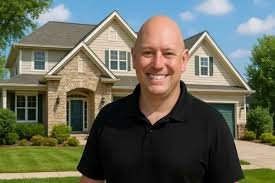
Buying your first home in Virginia is one of the most exciting milestones you’ll ever reach. Whether you’re eyeing a townhome in Short Pump, a single-family home in Chesterfield, or a starter property near Virginia Beach, the process follows the same essential steps. But knowing the steps and actually navigating them confidently are two very different things.
Here’s where many first-time buyers go wrong: they head straight to a big-box lender like Rocket Mortgage or Freedom Mortgage without realizing they’re locking themselves into a single company’s products and rates. There’s no shopping around, no comparison, and no advocate in your corner. You’re just a loan number in a queue.
A mortgage broker works differently. Powerhouse Mortgages, named Mortgage Broker of the Year, shops hundreds of lenders on your behalf to find the most competitive rates and loan programs for your specific situation. And before you even get started, Powerhouse offers something most competitors won’t: a Free NoTouch Credit PreQual that lets you check your buying power without any hit to your credit score.
That’s a meaningful difference. Competitors like Movement Mortgage, Atlantic Bay Mortgage, C&F Mortgage Corporation, and others operating across the Commonwealth typically require a hard credit inquiry just to get a number. Powerhouse starts the conversation without putting your credit at risk.
In this guide, we’ll walk you through every step of buying your first home in Virginia, from assessing your finances to getting the keys. Along the way, we’ll show you exactly where Powerhouse gives you a clear edge over the competition. Let’s get into it.
Step 1: Assess Your Finances and Set a Realistic Virginia Budget
Before you fall in love with a home, you need to fall in love with your numbers. This step isn’t glamorous, but it’s the foundation everything else is built on. Skipping it means wasting time looking at homes you can’t afford, or worse, underestimating what you actually can afford.
Start by reviewing your income, monthly debts, and savings. Lenders evaluate your debt-to-income ratio (DTI), which compares your monthly debt payments to your gross monthly income. Most conventional loan programs prefer a DTI below 43%, though some programs have more flexibility. Knowing your DTI before you apply puts you in control of the conversation.
Next, get realistic about Virginia home prices in your target market. Prices vary significantly across the Commonwealth. The Richmond metro, including areas like Henrico, Glen Allen, and Midlothian, tends to be more competitive than some rural counties. Hampton Roads, covering Virginia Beach, Chesapeake, Newport News, and Suffolk, offers a wide range of price points. Charlottesville and Albemarle County carry a premium tied to the university market. Roanoke and Lynchburg tend to offer more affordability. The Fredericksburg-Spotsylvania-Stafford corridor attracts buyers who need reasonable prices with access to major employment corridors.
Virginia-specific costs matter too. Property tax rates vary by locality, and the differences can be meaningful when you’re calculating your total monthly payment. Henrico, Chesterfield, and Spotsylvania each carry different millage rates. Add homeowner’s insurance, potential HOA fees (common in newer developments around Short Pump and Ashland), and you have a fuller picture of your true monthly cost.
The Powerhouse Difference: Big lenders like Rocket Mortgage or PrimeLending hand you a generic online calculator and call it guidance. Powerhouse Mortgages provides personalized guidance grounded in local Virginia market knowledge. There’s a real difference between a number on a screen and a loan officer who understands what homes actually cost in Goochland versus Stafford versus Williamsburg. Choosing the right partner matters, and you can learn more about local mortgage broker benefits that make a measurable difference in your experience.
Success Indicator: You know your approximate price range, your estimated monthly payment comfort zone, and the down payment amount you’re working toward before you ever look at a listing.
Step 2: Check Your Buying Power Without Touching Your Credit Score
Here’s a question almost every first-time buyer asks: “If I check my rate or get prequalified, will it hurt my credit score?” The answer depends entirely on who you ask.
At many lenders, the answer is yes. Veterans United, C&F Mortgage Corporation, Embrace Home Loans, CrossCountry Mortgage, Guild Mortgage, and NFM Lending typically require a hard credit pull to get any meaningful preapproval started. That hard inquiry can knock points off your score, and if you’re shopping multiple lenders, multiple hard pulls can compound the damage.
At Powerhouse Mortgages, the answer is no. The Free NoTouch Credit PreQual lets you understand your buying power, estimated loan amount, and likely loan programs without triggering any credit inquiry. Zero impact on your score. This is especially important for first-time buyers who may be working to maintain or build their credit profile heading into the homebuying process. Understanding credit prequalification for your mortgage can help you see exactly why this approach protects your financial standing.
Let’s break down the distinction between prequalification and preapproval, because they are not the same thing.
Prequalification is an early-stage assessment based on information you provide. It gives you a ballpark of what you might qualify for. Powerhouse’s NoTouch PreQual falls into this category, and it’s intentionally designed to be the first, low-risk step. For a deeper dive into how this works, read our guide on what prequalification really means for Virginia homebuyers.
Preapproval is a more formal process involving income verification, asset documentation, and a credit review. It carries more weight with sellers and is required before making serious offers. We’ll cover this in Step 4.
Powerhouse also uses VantageScore 4.0 in its evaluation process. This is a newer scoring model that can qualify borrowers who might be turned away by lenders still relying on older models. If you have a thin credit file or a non-traditional credit history, this matters. Competitors still using legacy scoring models may decline you not because you’re a risk, but because their tools can’t properly assess your profile.
Documents to Have Ready: When you’re ready to move from PreQual toward PreApproval, gather your two most recent pay stubs, W-2s or tax returns for the past two years, two to three months of bank statements, and a valid photo ID. Having these ready speeds up the process significantly.
Success Indicator: You walk away from your NoTouch PreQual knowing your estimated purchase price range, which loan programs you likely qualify for, and what your next steps are, all without a single point lost from your credit score.
Step 3: Choose the Right Loan Program for Your Situation
Not all mortgages are created equal, and the right loan program for your neighbor may be completely wrong for you. This is where the broker model earns its value, because Powerhouse shops hundreds of lenders to match you with the program that fits your specific profile, not just whatever a single lender happens to offer that month.
Here are the primary loan types available to Virginia first-time buyers:
Conventional Loans: These are not government-backed and typically require stronger credit scores and larger down payments. They’re often the best fit for buyers with solid credit and at least 5% to 20% down. Conventional loans avoid the mortgage insurance premium structure of FHA loans if you put 20% down.
FHA Loans: Backed by the Federal Housing Administration, FHA loans allow lower credit scores and down payments as low as 3.5%. They’re a popular choice for first-time buyers in markets like Midlothian, Glen Allen, and Williamsburg where prices are moderate and buyers are working with limited savings. The tradeoff is mortgage insurance for the life of the loan in many cases. Our detailed guide on securing an FHA loan in Virginia walks you through the full qualification process.
VA Loans: Virginia has one of the largest active military and veteran populations in the country, with major installations across Hampton Roads, the Stafford area, and beyond. VA loans offer zero down payment, no private mortgage insurance, and competitive rates for eligible veterans and active-duty service members. If you or your spouse served, this program deserves serious consideration. Powerhouse specializes in VA loans and shops multiple VA lenders to find the best terms. Learn more in our complete guide on how to get a VA loan in Virginia.
USDA Loans: For buyers looking at eligible rural areas, USDA loans offer zero down payment options. Parts of Goochland, Louisa, Caroline County, and Lake Anna may qualify depending on current USDA loan eligibility maps. This is a frequently overlooked program that can open doors for buyers who assume they need a down payment.
Now here’s the direct comparison worth making. When you walk into Alcova Mortgage, Southern Trust Mortgage, or Prosperity Mortgage, you get access to their products. Full stop. When you work with CapCenter or RatePro Mortgage, same story. Each of these companies can only offer what they have on their own shelf.
Powerhouse Mortgages shops hundreds of lenders. That means if one lender’s FHA program has a higher rate this week, we find you a better one. If your credit profile fits a niche program better than a standard conventional loan, we find it. The competition simply can’t do that from a single-lender position.
Q&A: Should I go FHA or Conventional? It depends on three things: your credit score, your available down payment, and the property you’re buying. A Powerhouse loan officer will run both scenarios side by side so you can see the real monthly cost difference before you decide. That kind of transparent comparison is exactly what you deserve before committing to a 30-year loan.
Success Indicator: You understand which loan program fits your situation and why, and you have a clear picture of your down payment requirement and estimated rate range.
Step 4: Get Fully PreApproved and Lock In Your Advantage
PreQual told you what’s possible. PreApproval tells sellers you’re ready to buy. In Virginia’s active housing markets, this distinction is everything.
In competitive areas like Short Pump, Henrico, Ashland, and Stafford, sellers often won’t seriously consider offers without a preapproval letter in hand. A prequalification letter doesn’t carry the same weight. If you’re shopping in a market where multiple offers are common, showing up without full preapproval is like showing up to an interview without a resume. Our step-by-step guide on home loan preapproval in Virginia covers exactly what to expect and how to prepare.
Here’s what happens during the preapproval process at Powerhouse. Your income is verified against your pay stubs and tax returns. Your assets are confirmed through bank statements. Your credit is reviewed, but here’s the advantage: because you already went through the NoTouch PreQual, there are no surprises. The Powerhouse team already has a clear picture of your profile, so the full credit review is a confirmation, not a discovery.
Underwriting conditions are identified early, which means any issues get addressed before you’re under contract on a home rather than after. That proactive approach is a significant advantage over the often slow, automated pipelines at Rocket Mortgage, Freedom Mortgage, or Penny Mac where communication can be inconsistent and you may not know about a problem until it’s urgent. Understanding the full mortgage approval timeline helps you plan ahead and avoid last-minute surprises.
The Powerhouse preapproval is backed by Mortgage Broker of the Year expertise and access to hundreds of lenders. That means if one lender’s underwriting requirements don’t fit your profile perfectly, we have others. You’re not stuck.
Critical Warning: Once you’re preapproved, do not open new credit cards, do not finance a car, do not change jobs, and do not make large unexplained deposits into your bank accounts. These actions can change your debt-to-income ratio or raise underwriting flags that delay or derail your closing. This rule applies regardless of which lender you use, but it’s worth repeating because first-time buyers sometimes get excited and make purchases they assume won’t matter.
Success Indicator: You have a preapproval letter in hand, you know your exact purchase price ceiling, and you’re ready to make competitive offers in your target Virginia market.
Step 5: Find Your Virginia Home and Make a Winning Offer
With preapproval secured, the exciting part begins. But finding the right home is only half of this step. Making an offer that actually gets accepted is the other half, and your mortgage setup plays a bigger role in that than most first-time buyers realize.
Start by partnering with a local Virginia real estate agent who knows your target area deeply. Powerhouse Mortgages can connect you with trusted agents across Richmond, Hampton Roads, Charlottesville, Roanoke, Lynchburg, and the Fredericksburg-Spotsylvania-Stafford corridor. Local knowledge matters. An agent who knows the difference between pricing in Goochland versus Hanover, or between neighborhoods in Chesapeake versus Suffolk, will save you time and money.
A few Virginia market notes worth keeping in mind as you search:
Prince William and Stafford counties attract buyers who want more home for their dollar with access to employment corridors. Competition can be brisk in certain price ranges.
Chesapeake and Suffolk offer more space and land, often appealing to buyers who want room to grow without the density of Virginia Beach proper.
Albemarle County and Charlottesville carry the appeal of a college town with a strong local economy, but inventory can be tight.
Yorktown and Newport News are particularly strong markets for VA loan buyers given proximity to military installations. Powerhouse’s VA loan expertise is directly relevant here.
When you make your offer, your Powerhouse preapproval letter carries real weight. Sellers and listing agents recognize that a broker backed by hundreds of lenders has more flexibility than a buyer locked into a single lender’s approval. If underwriting hits a snag with a buyer whose preapproval came from Atlantic Bay Mortgage or River City Lending, that buyer is stuck. They either solve the problem with that one lender or they start over. With Powerhouse, we pivot to another lender in our network without losing your position or your timeline.
First-Time Buyer Negotiation Tips: In Virginia, earnest money deposits are typically expected and signal your seriousness to sellers. Home inspection contingencies are standard and worth including, even in competitive markets. Closing cost contributions from sellers are negotiable and can meaningfully reduce your out-of-pocket at closing.
Success Indicator: Your offer is accepted and you’re under contract on a Virginia home, with a solid preapproval and a lender network behind you to see it through.
Step 6: Navigate the Virginia Closing Process Like a Pro
You’re under contract. Now comes the final stretch, and it’s one where Virginia has some unique characteristics that first-time buyers need to understand.
Virginia primarily uses settlement attorneys rather than title companies for residential closings. This means a licensed attorney oversees the closing process, conducts the title search, handles the disbursement of funds, and ensures the deed is properly recorded. If you’re moving from another state where title companies handle closings, this is an important distinction. Your Powerhouse loan officer will walk you through what to expect from your settlement attorney and how the coordination works.
The typical timeline from accepted offer to closing in Virginia runs 30 to 45 days, though this can vary based on loan type, seller circumstances, and market conditions. Here’s what happens during that window:
Home Inspection: Typically scheduled within the first week after contract. A qualified inspector reviews the property’s condition. This is your opportunity to identify issues and negotiate repairs or credits before closing.
Appraisal: Your lender orders an appraisal to confirm the home’s value supports the loan amount. If the appraisal comes in low, Powerhouse works with you on options, including negotiating with the seller or exploring alternative loan structures.
Title Search: Your settlement attorney confirms the property has a clear title with no liens or ownership disputes.
Homeowner’s Insurance: You’ll need to secure a policy before closing. Your lender will require proof of coverage.
Final Underwriting: Your lender reviews all documents one final time before issuing the clear to close.
Closing costs in Virginia typically fall in the range of 2% to 5% of the purchase price, and they include lender fees, title and settlement fees, prepaid items like homeowner’s insurance and property taxes, and recording fees. Your Powerhouse loan officer provides a detailed Loan Estimate early in the process so you know exactly what to expect. Securing the best mortgage rates in Virginia through a broker who shops hundreds of lenders can also meaningfully reduce your total cost over the life of the loan.
On closing day, bring a valid photo ID, a cashier’s check or confirmation of wire transfer for your closing funds, and any remaining documents your settlement attorney has requested. You’ll sign a significant stack of paperwork, but your Powerhouse team prepares you for what each document means.
Success Indicator: You sign the final documents, the deed is recorded, and you receive the keys to your first Virginia home.
Your Smarter Path to Virginia Homeownership
Buying your first home in Virginia doesn’t have to be intimidating. By following these six steps, setting your budget, getting a NoTouch PreQual, choosing the right loan program, securing preapproval, finding your home, and closing the deal, you move through the process with clarity and confidence rather than confusion and stress.
The biggest decision you’ll make besides which home to buy is who guides you through the mortgage process. Big-box lenders like Rocket Mortgage, Freedom Mortgage, and Penny Mac offer one-size-fits-all solutions built for volume, not for you personally. Local single-lender shops like C&F Mortgage Corporation, Atlantic Bay Mortgage, or Alcova Mortgage each offer only their own products, which limits your options before the conversation even starts.
Powerhouse Mortgages is different. As Mortgage Broker of the Year, Powerhouse shops hundreds of lenders to find the best rate and program for your specific situation. The process starts with a Free NoTouch Credit PreQual that protects your credit score from the very first step. And the guidance you receive is grounded in real Virginia market knowledge, whether you’re buying in Richmond, Virginia Beach, Fredericksburg, Charlottesville, Roanoke, Williamsburg, or anywhere else across the Commonwealth.
You deserve a mortgage partner who works for you, not for a single lender’s bottom line. Powerhouse is that partner.
Ready to take the first step toward your first Virginia home? Learn more about our services and get your Free NoTouch Credit PreQual today. No credit hit, no commitment, just a clear picture of what’s possible for you.


One Response